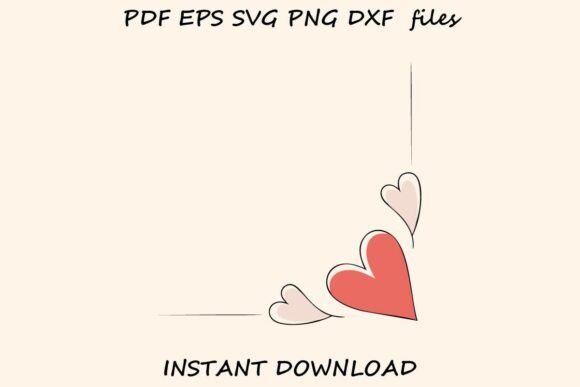
Heart Corner Frame Decorative Element: Graphics and Illustrations for Romantic Design
As a designer with years of experience in branding, marketing visuals, and digital product creation, I often seek out high-quality graphic design assets that can elevate a project without overwhelming it. The Heart Corner Frame Decorative Element caught my attention not just for its aesthetic appeal but for its versatility across various design applications. This illustration offers a soft, romantic touch that can enhance a wide range of creative design projects.
The First Impression: Soft, Romantic, and Timeless
The Heart Corner Frame Decorative Element immediately evokes a sense of warmth and nostalgia. Its clean outline style and gentle curves make it feel both modern and classic. The design is ideal for projects that require a touch of elegance without being overly complex. It’s perfect for Valentine’s Day campaigns, wedding stationery, or any design that aims to convey love and affection.
This decorative heart corner frame is more than just an ornament—it’s a visual language that speaks to emotion and connection. For small business branding or handmade businesses looking to create a cohesive look, this asset can be a valuable addition to their design toolkit.
Real-World Use Cases: From Packaging to Social Media
When working on a client project, the ability of a design asset to perform across multiple platforms is crucial. The Heart Corner Frame Decorative Element excels in several areas. In packaging design, it can serve as a subtle accent on product boxes or labels, adding a refined touch without distracting from the main message.
In social media graphics, this element can be used as a hero graphic or background overlay, especially for campaigns around love, relationships, or seasonal events. For blog visuals or editorial design, it can act as a decorative separator or header element, helping to guide the eye and add visual interest.
For print-on-demand sellers or Etsy product creators, this asset can be incorporated into t-shirt designs, mug art, or sticker designs. Its vector format makes it scalable without losing quality, which is essential for sublimation design or Cricut projects where precision matters.
Where It Shines: Large Layouts and Themed Collections
The Heart Corner Frame Decorative Element works best in large layout areas where it can breathe and make an impact. Whether it’s part of a product mockup, a printable wall art piece, or a campaign visual, this design element adds a layer of sophistication that complements rather than competes with other elements.
It also fits well within themed collections, such as wedding stationery sets or holiday-themed marketing materials. When integrated into a design bundle, it can help maintain a consistent visual identity while offering flexibility for different applications.
Where to Use It Carefully: Minimalist Branding and Corporate Projects
While the Heart Corner Frame Decorative Element is beautiful, it may not be the best choice for minimalist branding or professional corporate materials. In these cases, simplicity and clarity are key, and this design could potentially clutter the visual hierarchy.
For logo design or brand identity work that requires a clean, modern look, this asset might be too ornate. However, it can still be useful in supporting brand elements, such as background textures or secondary icons, if used sparingly and thoughtfully.
Design Considerations: Readability, Contrast, and Usability
One of the most important aspects of any graphic design asset is how it interacts with other elements. The Heart Corner Frame Decorative Element has a delicate balance between being noticeable and not overpowering. When placed on a busy background or in a crowded layout, it can lose its impact and become difficult to read.
Testing it in black and white is a good way to assess its contrast and visibility. It also helps to preview it at different sizes—smaller versions may not hold up as well, especially if they’re intended for use in digital ads or social media posts where clarity is essential.
Practical Designer Notes: What to Check Before Using
Before using the Heart Corner Frame Decorative Element for a client project, there are several practical steps to consider. First, check the file formats provided—whether it’s an SVG design, PNG design, or clipart. Ensure that the transparency is properly handled if it’s intended for use on various backgrounds.
Also, review the commercial license to confirm that it can be used for the intended purpose, especially if it’s part of a print-on-demand or digital product offering. Compare it with different font styles to see how it pairs with serif, sans serif, script, or display fonts.
Finally, test it on real mockups and check print quality if it’s meant for physical products. This will give a better idea of how it translates from screen to print and whether it meets the client’s expectations.
Why This Asset Matters for Creative Marketplace and Small Business
The Heart Corner Frame Decorative Element is a great example of how a single design asset can have a significant impact on a project’s overall feel and professionalism. For small business owners or handmade brands, having access to high-quality illustrations and graphics can make the difference between a generic design and one that feels truly unique and polished.
Whether it’s used in a Canva template, a Cricut project, or a digital ad, this decorative element adds value by enhancing the emotional appeal of a design. It supports the visual storytelling of a brand and helps create a stronger connection with the target audience.
Final Thoughts: A Thoughtful Addition to Any Design Toolkit
After evaluating the Heart Corner Frame Decorative Element in various real-world scenarios, I believe it’s a valuable addition to any designer’s collection. Its soft shapes and clean outline style make it adaptable for a wide range of projects, from wedding invitations to social media graphics.
However, like any design asset, it should be used with intention and care. Understanding its strengths and limitations ensures that it enhances—not detracts from—the overall design. For designers looking to add a touch of romance and elegance to their work, this element is worth considering as part of their creative process.