Wild Flowers in Ceramic Vase: Graphics for Local Branding
As a brand designer, I often look for graphic design assets that can elevate small business branding without overwhelming the message. Wild Flowers in Ceramic Vase. Decorative is one such asset that offers a soft, inviting aesthetic perfect for local businesses aiming to convey warmth and charm.
First Impressions: A Delicate, Organic Mood
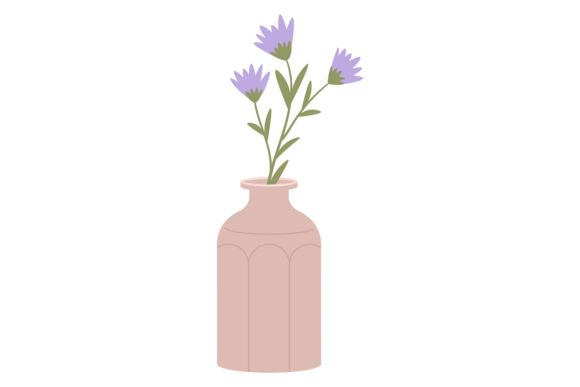
The first thing that catches the eye is the gentle arrangement of wild flowers in a ceramic vase. The isolated white background gives it a clean, modern feel, making it ideal for brands that want to communicate simplicity and authenticity. This design feels handmade, organic, and slightly whimsical—perfect for a boutique store, a handmade soap business, or a cozy coffee shop looking to create a welcoming brand identity.
It doesn’t scream boldness or luxury, but rather suggests a quiet elegance that can be paired with other elements to build a cohesive visual language. Whether used in product packaging or social media graphics, it adds a touch of nature and comfort that resonates with customers seeking something personal and meaningful.
Real-World Applications for Small Business Branding
Wild Flowers in Ceramic Vase. Decorative is versatile enough to fit into multiple design scenarios. For a bakery or a skincare brand, it could serve as a subtle accent on product labels or packaging. In a food business, it might appear on a menu graphic or a promotional flyer, helping to reinforce a natural, artisanal vibe.
For a handmade soap business, this illustration could be part of a printable design used on hang tags or thank-you cards. It also works well as a background element in digital marketing materials, such as Canva templates or social media campaign graphics. Its clean lines and white space make it easy to integrate into a variety of layouts without clashing with other design elements.
Supporting Business Presentation and Customer Trust
When used effectively, Wild Flowers in Ceramic Vase. Decorative can strengthen a brand’s first impression. A well-designed product label or packaging with this illustration can make a product stand out on the shelf, especially when competing with more generic designs. It helps build a stronger emotional connection with customers who value aesthetics and craftsmanship.
Incorporating this graphic design asset into a brand’s visual hierarchy can also improve consistency across all marketing materials. Whether it’s a website banner, a business card, or a promotional ad, having a recurring visual theme reinforces brand recognition and trust. This is particularly important for small businesses trying to establish themselves in a crowded market.
Where It Works Best: Elegant, Subtle, and Strategic
This design excels in situations where subtlety and elegance are key. Product labels, seasonal packaging, and decorative brand elements are all strong use cases. It can act as a hero graphic on a website or a social media post, drawing attention without overpowering the message.
It also shines in promotional banners, especially for events or limited-time offers. As a decorative brand element, it can add a finishing touch to a product mockup or a printable insert, enhancing the overall look and feel of a brand’s offerings.
Where to Use It Carefully: Avoid Overcomplication
While Wild Flowers in Ceramic Vase. Decorative is visually appealing, it may not be the best choice for formal corporate branding or luxury minimalist designs. In those cases, the illustration could feel too busy or out of place. Similarly, it’s not ideal for very small labels or crowded layouts where the details might get lost.
It should also be avoided in areas with low-contrast backgrounds or where legal text or ingredient lists need to be clearly visible. When working with this graphic design asset, always test it in real-world scenarios to ensure it complements the overall design rather than distracts from it.
Practical Designer Notes for Real Projects
Before finalizing any use of Wild Flowers in Ceramic Vase. Decorative, I recommend testing it on actual packaging mockups to see how it looks in print. Check how it performs in black and white, as some clients may prefer monochrome versions for cost or style reasons.
Preview it on small labels to ensure clarity and legibility. Also, test it against different brand colors to see if it harmonizes well with the existing palette. Compare it with competitor packaging to ensure it stands out while still fitting within the industry’s visual standards.
Check the print quality of the PNG or EPS file to avoid pixelation or loss of detail. If using SVG, inspect its editability to ensure it can be scaled without distortion. Test it beside various font styles—serif, sans serif, script, handwritten, and display—to find the best typographic pairing.
Finally, confirm that the commercial license covers all intended uses, especially if you’re planning to use it for client work or physical product sales. Always verify the rights before incorporating any design asset into a professional project.
Conclusion: A Versatile Asset for Creative Businesses
Wild Flowers in Ceramic Vase. Decorative is more than just an illustration—it’s a tool that can help small businesses tell their story through visuals. Whether you're designing for a boutique, a food brand, or a handmade seller, this graphic design asset offers a soft, inviting presence that can enhance your brand identity and marketing efforts.
By using it thoughtfully and strategically, you can create a more polished, professional look that resonates with your target audience. It’s a great example of how a simple illustration can have a big impact on a local business’s overall presentation and customer experience.